I am sixty five years old now, and when I look back at my life, most of it is inseparable from the man I once called my husband. We were married for thirty seven years, years filled with routines, arguments, shared dreams, and quiet sacrifices that never made it into photographs. I believed, with the stubborn certainty of someone who had built a life brick by brick, that whatever happened in the world, we would face it together.
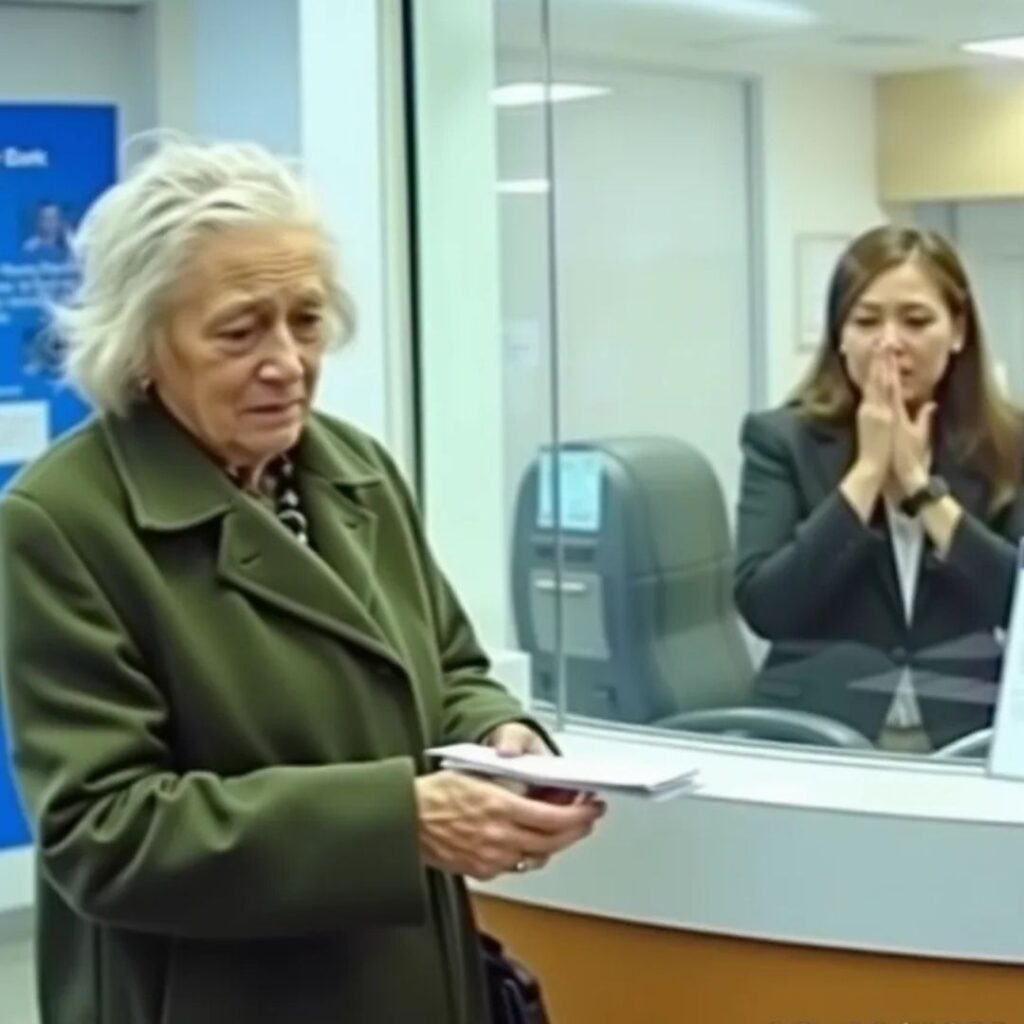
That belief ended on a gray morning in a family courthouse in Cleveland, Ohio.
The divorce itself was brief, almost mechanical, as if the law had grown tired of witnessing grief and wanted to finish quickly. When the papers were signed, my former husband, Patrick Miller, reached into his jacket pocket and handed me a plain bank card. His face was calm, almost distant, the same expression he used when discussing household bills.
“This should cover you for a little while,” he said evenly. “There are three hundred dollars on it.”
His words landed with more force than any insult could have. Thirty seven years reduced to a number that could barely pay rent for a few months. I stood there frozen as he turned and walked away, never once looking back. The echo of his footsteps followed me long after the courtroom emptied.
I kept the card, not because I wanted the money, but because throwing it away felt like admitting that I truly had been discarded.
After the divorce, my life narrowed into survival. I rented a single damp room behind an old grocery store on the edge of the city, a place where the walls smelled of mold and the radiator clanged through the night. I took whatever work I could find. I scrubbed floors in offices before dawn, watched parked cars during events, and collected bottles from sidewalks to trade for spare change. Pride became a luxury I could no longer afford, yet some stubborn part of me refused to disappear entirely.
There were weeks when hunger became a familiar companion. Nights when I went to sleep with my stomach aching and my mind racing with regret and anger. Still, that bank card remained untouched in the bottom of a drawer. It felt poisoned, as if using it would mean accepting that I had truly been worth so little.
Years passed slowly, each one pressing heavier on my body. My joints stiffened. My back protested every movement. There were days when standing up felt like climbing a mountain with no summit in sight. My children visited when they could, leaving small amounts of cash and cheerful lies about how often they would return. I never told them how dizzy I felt, how often the room spun. They had their own lives, and I refused to become another weight on their shoulders.
Everything changed one afternoon when my body finally gave up its quiet resistance. I collapsed outside the door of my room, the world fading into a blur of noise and shadow. When I woke, I was in a hospital bed, fluorescent lights buzzing overhead. A young doctor stood beside me, his expression serious but kind.
“You are severely malnourished,” he said. “You need treatment and observation. This cannot wait.”
For the first time in five years, I thought about the card without anger. I told myself that survival mattered more than pride. Three hundred dollars would at least buy me time.
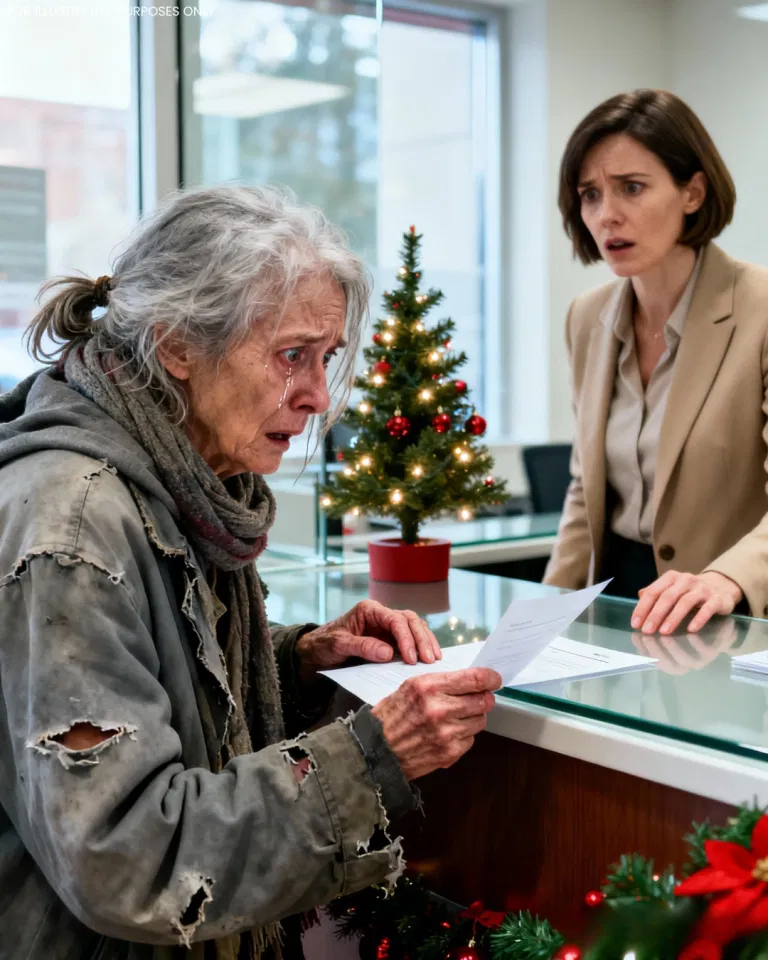
The next morning, I went to a downtown bank branch. My hands shook as I slid the card across the counter to a teller who could not have been older than my youngest grandchild.