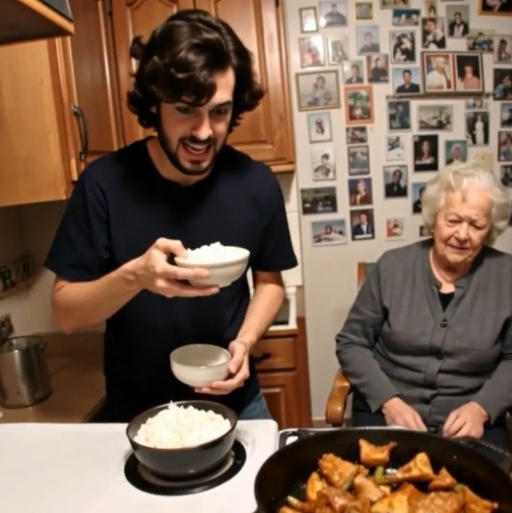
As my eyes traced the shaky lines of blue ink, I realized I was on the precipice of uncovering something profound. The letter started with words of gratitude—something I never expected but deeply appreciated. Her handwriting was frail and unsteady, much like the woman I had come to know, but the words were clear and filled with intent.
“Dear Diego,” it began. “I owe you more than just 200 pesos every Thursday. You have been my lifeline in more ways than money could compensate. When my body gave up, you were my strength; when my soul felt abandoned, you were my solace.”
I paused, taking a deep breath. The letter felt heavy in my hands, as if it were weighted with all the emotions she had kept locked away. She went on to explain that she had been writing something important in a journal, a collection of thoughts and truths that she wanted her children to see after she was gone.
“My children have never understood the value of human connection,” she wrote. “They see the world in terms of assets and liabilities, forgetting the warmth of a shared meal or the comfort of a simple touch. Through you, Diego, I was reminded of the simple joys of life, the ones I had forgotten amid the clutter of my own regrets.”
As I read those lines, I realized that the letter was much more than just a note of thanks. It was a testament to a life lived in quiet desperation, a plea for understanding from beyond the grave.
She detailed how she had documented everything—her will, her possessions (meager as they were), and the emotional debts she hoped to settle. But the most shocking revelation was that she had listened and learned from me just as much as I had from her.
The letter concluded with instructions for me to find the journal hidden beneath the floorboards in her old bedroom. She wanted me to present it to her children, not out of spite, but as a mirror for them to see what truly mattered.
“I leave you this task, Diego,” she wrote, “not because you owe me anything, but because the world would be kinder if it had more souls like yours. Show them what I failed to teach them in life.”
The letter was signed simply, “With all my heart, Carmen.”
Tears blurred my vision as I folded the letter back into its envelope. It was a lot to take in—this unexpected responsibility, this chance to bridge the gap between a mother and her estranged children. I wondered if they would appreciate the gesture or dismiss it as the ramblings of a bitter old woman.
But more than anything, I felt a sense of closure. I understood now why I had stayed all those months, why I had chosen to ignore the empty promises. In giving Carmen my time and compassion, I had received something invaluable in return—a purpose, a sense of belonging beyond the confines of my own struggles.
I knew the journey ahead wouldn’t be easy. Confronting her children with the truth would require more courage than I had ever summoned. But as I pocketed the letter, I felt a quiet resolve building within me. I would honor Carmen’s last wish, and perhaps, in doing so, I would discover something new about myself and the world around me.