
Days of Our Lives actress Victoria Konefal has opened up about the demanding reality of working on daytime television, explaining how the relentless production schedule leaves performers with almost no opportunity to slow down, regroup, or prepare between scenes.
Ciara Brady has been noticeably absent from Days of Our Lives recently, and her disappearance feels particularly significant given the constant turmoil surrounding the Brady family. With Bo alive but once again facing serious challenges, and Hope drawn back into the family’s ongoing struggles, Ciara’s absence has become increasingly difficult to ignore. Against this backdrop, Victoria Konefal’s recent comments about the exhausting nature of soap opera production carry even greater significance. The actress offered a revealing glimpse into the industry’s demanding routines, explaining why transitioning to a movie set felt surprisingly relaxed compared with her experience on daytime television.
Key Takeaways
- Victoria Konefal revealed that filming soap operas often requires working from the early morning hours until late afternoon, with very few breaks.
- The actress recalled having to memorize and perform as many as 80 pages of dialogue in just one working day.
- Performers frequently receive their scripts only several days before cameras begin rolling.
- Working on a feature film allowed Konefal considerably more time to explore her character and collaborate with fellow actors.
- The amount of downtime available during movie production felt almost unfamiliar after years of working on soap operas.
When Acting Becomes a Serious Test of Stamina
During a recent interview with Newsweek, Konefal spoke candidly about her experiences on Days of Our Lives, making it clear that the profession involves far more than simply showing up and delivering lines. She explained that certain production days can stretch from approximately 5 a.m. until 5 p.m., leaving actors facing an incredibly demanding routine.
Her description offered little resemblance to the glamorous image that many viewers associate with television stardom. Instead, she recalled arriving on set before sunrise, spending the earliest hours preparing for filming through hair and makeup sessions, and moving directly into scene blocking around 7:30 in the morning. Maintaining this exhausting schedule throughout the week requires tremendous focus, discipline, and mental resilience.
However, the most remarkable detail concerned the sheer amount of material performers must master in an extraordinarily short period.
Konefal remembered one particularly demanding filming day when she was responsible for approximately 80 pages of dialogue. That meant memorizing the entire material, understanding its emotional context, and delivering convincing performances before the cameras, all within the same day.
For most actors, preparing that much dialogue would be a considerable challenge even with an extended rehearsal period. On a daytime soap, however, such workloads can become part of the normal production process.
Making matters even more difficult, Konefal explained that cast members often receive their scripts only a couple of days before shooting begins. Consequently, actors must absorb enormous amounts of information while simultaneously preparing emotionally complex scenes and maintaining consistency in their performances.
The mental pressure involved is difficult to overstate.
Her comments challenge the widespread assumption that daytime soap operas represent an easier or less demanding branch of the entertainment industry. In reality, the accelerated production schedules demand exceptional memory, adaptability, and the ability to deliver convincing performances under constant pressure.
Why Working at a Slower Pace Felt Almost Surreal
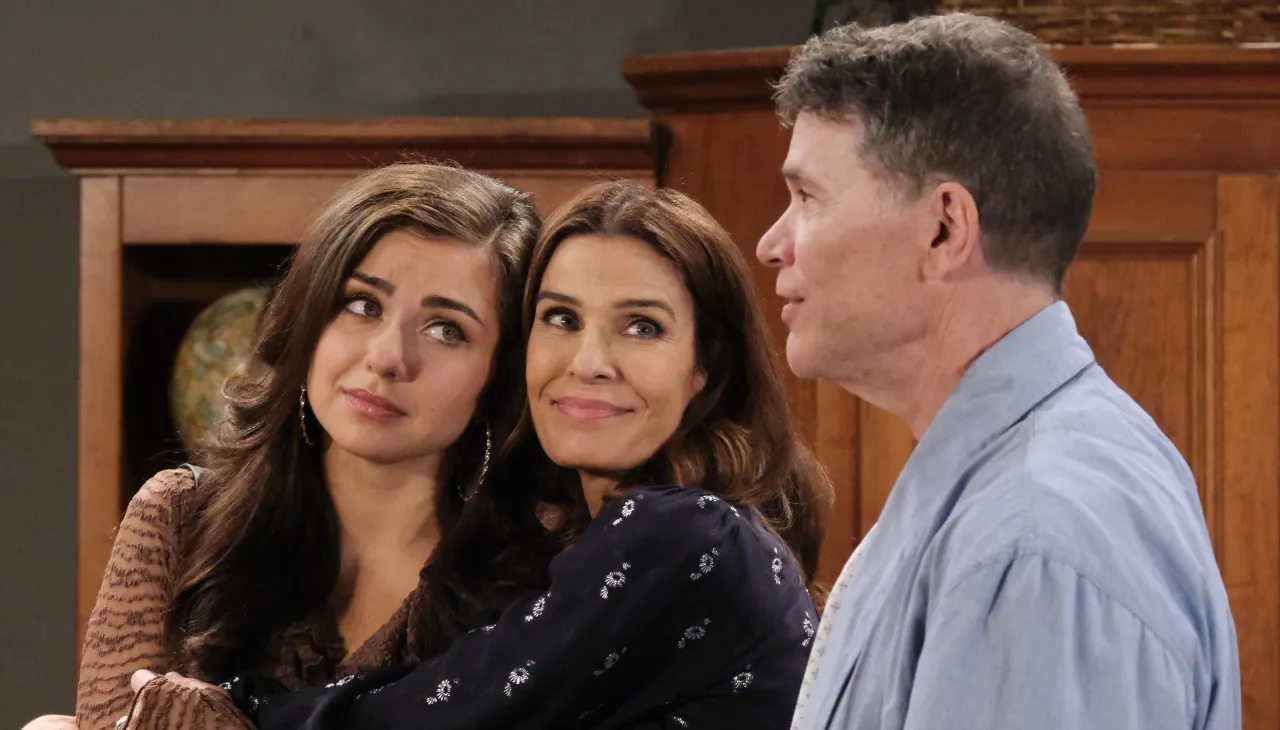
After spending so much time immersed in the fast-moving world of daytime television, Konefal discovered an entirely different working environment when she joined the cast of Scared to Death.
The contrast was striking.
While discussing her experience filming the movie, the actress explained that she finally had the opportunity to spend meaningful time developing her character, carefully examining individual scenes, and exploring creative possibilities alongside her fellow performers.
Instead of rushing from one demanding sequence to another, she could approach her role with greater patience and attention to detail.
For an actress accustomed to the relentless machinery of soap opera production, having that degree of creative freedom must have felt almost unbelievable.
Konefal also discussed something that soap opera performers rarely enjoy in abundance: actual downtime between scenes.
On a movie set, those quieter moments allowed her to reflect on her performance, consider different interpretations, and establish stronger connections with the people she was working alongside. Such flexibility stands in sharp contrast to the tightly controlled schedules that dominate daytime television.
She specifically highlighted her collaboration with fellow actor BJ Miner, explaining that their existing chemistry played an important role in shaping her character’s development.
Because the two performers already shared a natural connection, they were able to strengthen their characters’ relationship organically rather than attempting to manufacture emotional chemistry under intense time pressure.
That experience demonstrated how valuable additional preparation and creative collaboration can be.
Ultimately, Konefal’s observations explain why acting in soap operas requires such a distinctive combination of skills. Unlike productions that allow extensive rehearsals, repeated takes, and lengthy character exploration, daytime dramas frequently demand immediate results.
Actors must rely on instinct, memorize large quantities of dialogue, respond quickly to changing circumstances, and still create performances that feel emotionally authentic.
There is little room for hesitation, yet audiences expect every scene to appear natural and believable.
Konefal did not need to exaggerate the difficulty of her profession or make dramatic claims about its challenges. The demanding hours, enormous scripts, and relentless production pace spoke for themselves.
Her experience serves as a compelling reminder that behind the familiar faces and dramatic storylines of Days of Our Lives lies an extraordinary amount of discipline, preparation, and hard work.